CyLock
Table n.44

CyLock

Cybersecurity Click&Play

Start-up of Regione Lazio

Start-up

Via Fonte Buono,  19/B
Roma  (RM) — 00142 — Italia
Phone +39 351 833 0703

Description

CyLock is a cybersecurity platform that, by exploiting artificial intelligence, analyses IT systems automatically, remotely, and without the need for technical knowledge, installation, configuration, or maintenance, discovering vulnerabilities and identifying appropriate remedies. Thanks to our patented method and our reports with ready-to-use solutions, we want to help every organisation improve its security level autonomously and consciously, reducing the time and costs of the traditional ethical hacking process.
Our products

Extended Vulnerability Assessment

Extended Vulnerability Assessment

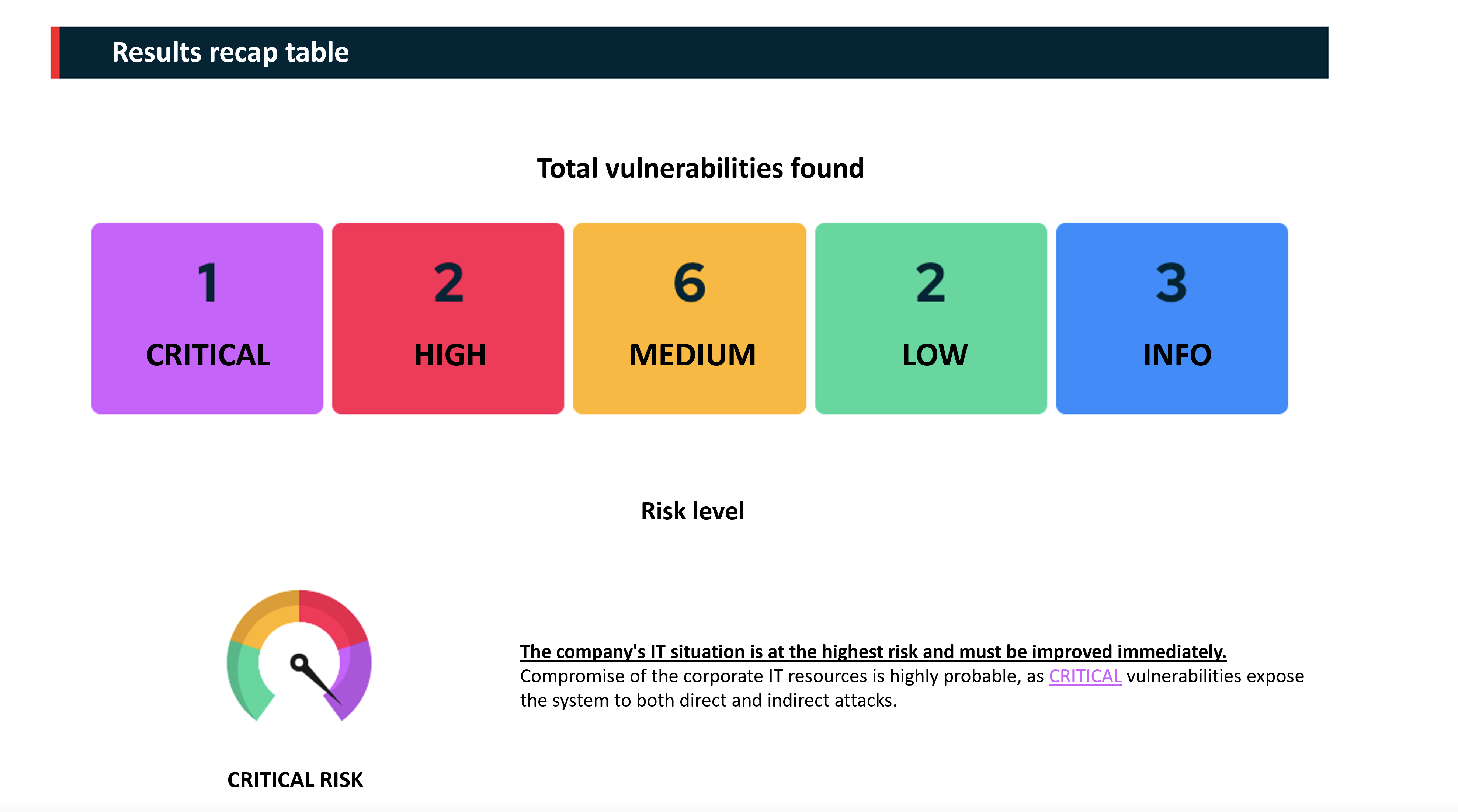
CyLock's EVA (Extended Vulnerability Assessment) service is designed to increase the security level of corporate IT systems and adequately resist external attacks. It is ideal for implementing IT security in the company even by non-specialised personnel (entrepreneurs, professionals, managers, non-technical staff): CyLock's report and control panel are indeed designed to be easily understood even by non-IT and cybersecurity experts. The scan performed does not require any interruption of activity on the tested targets, nor does it impact business operations. Depending on the asset targeted, EVA is offered as: - EVA URL: the Extended Vulnerability Assessment to scan websites via their URL; - EVA Server: the Extended Vulnerability Assessment to scan servers via their IP address; - EVA Internal: the Extended Vulnerability Assessment to scan internal company networks.
CyLock Anti-Phishing

CyLock Anti-Phishing

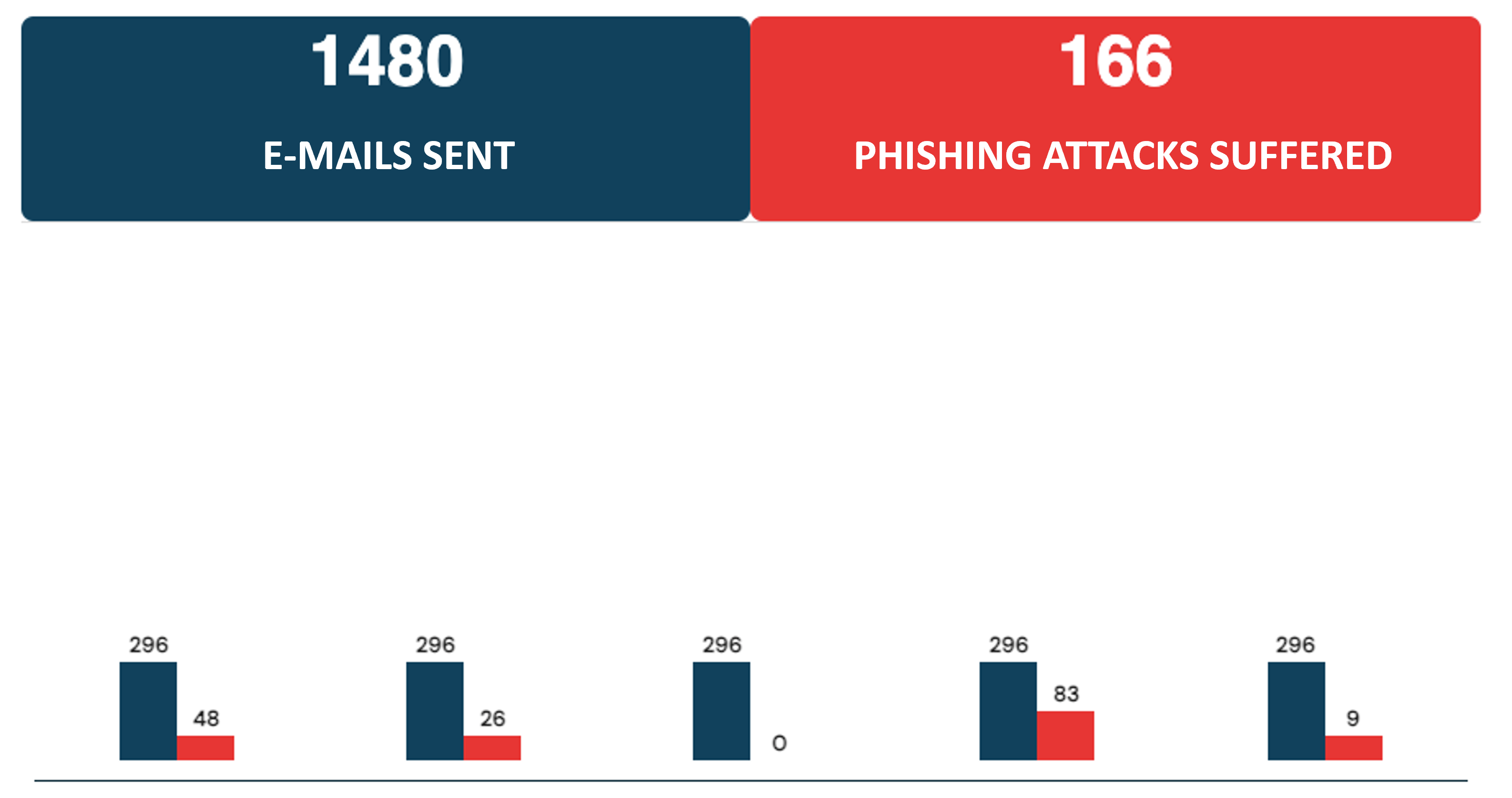
CyLock's Anti-Phishing service involves a series of tests in a protected environment (i.e. phishing attempts with no harmful consequences for the user) for the company's staff working with the electronic equipment provided, through the randomised sending of phishing e-mails. The tests are designed with the intention of testing the computer skills of the company's human resources through messages of increasing difficulty, through simulated phishing e-mails that are less and less recognisable to the receiving user. The report produced at the end of the test cycle makes it possible to assess the level of exposure to the phishing risk at the corporate level and to identify the most appropriate risk containment measures.