

ASPIDIA srl
Table n. 42

ASPIDIA srl

Enzyme-Powered Innovation for a Cleaner Future

of Abruzzo Region

via N.A. Porpora,  156
Milano  (MI) — 20131 — Italia
Phone +393355450943

Description

ASPIDIA is pioneering enzyme-based solutions in environmental remediation and green energy. Focused on sustainable removal of persistent pollutants, particularly PFAS, it develops cutting-edge bioremediation technologies. Its almost market-ready TriClean system integrates advanced chemical-physical and adsorption technologies into a single process, achieving >99% PFAS removal.


ASPIDIA targets B2B clients, including industries, utilities, and public bodies facing PFAS contamination in water. Its solutions serve manufacturing, chemical, pharmaceutical, agri-food, and refining industries, as well as water resource managers and public administrations. With stricter global PFAS regulations, ASPIDIA provides sustainable, efficient, and scalable decontamination solutions.
Our products

TriClean System for PFAS Remediation

TriClean System for PFAS Remediation

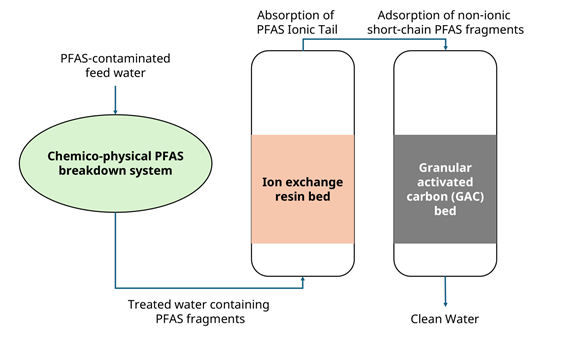
TriClean: Innovation in PFAS Removal TriClean is an innovative system for the advanced removal of PFAS from water, combining three synergistic technologies: a physico-chemical process that degrades organic molecules, an ion-exchange resin column to eliminate polar components, and an activated carbon filter to capture residual contaminants. This integrated solution ensures an efficiency of over 99%. Currently being tested on PFAS mixtures (TRL 4-5), TriClean aims for real-world operational validations (TRL 6-7) to enable industrial-scale deployment

Bioremediation Columns with DEHA Enzymes

Bioremediation Columns with DEHA Enzymes

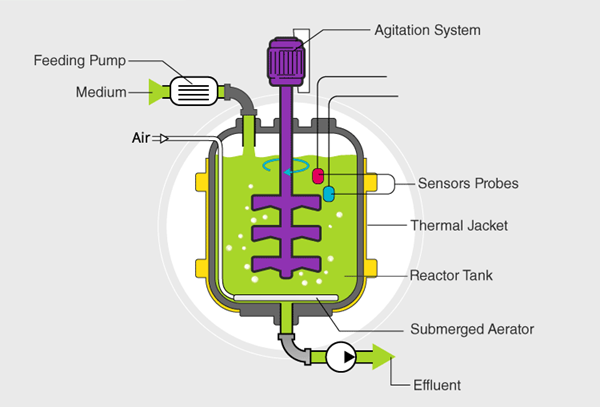
Bioremediation Columns with DEHA Enzymes The bioremediation columns with DEHA enzymes represent a groundbreaking solution for the removal of PFAS and microplastics from water. Based on dehalogenase enzymes produced by engineered microorganisms, these columns effectively degrade contaminants such as PFOA. The innovation lies in the use of enzymes immobilized on a solid matrix, optimized through advanced bioinformatics analysis and computational modeling. Currently under development at the laboratory scale, the project promises a scalable and highly effective technology, addressing one of the most urgent environmental challenges.